5 Facts You Need to Know About All-on-4 Implants
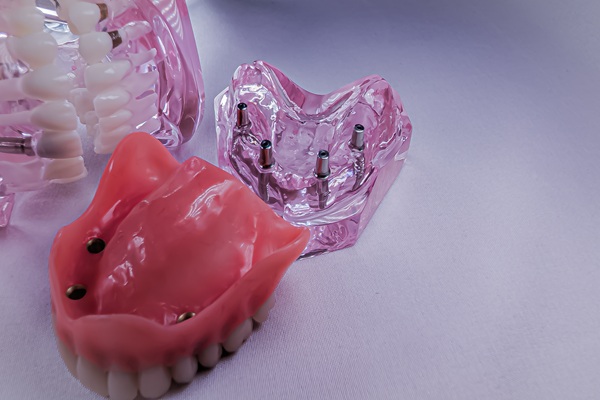
All-on-4 implants represent a modern approach to full-arch tooth replacement, offering stability, efficiency, and long-term oral function. This treatment concept has transformed restorative dentistry by combining surgical precision with prosthetic innovation. The following five facts explain why this solution continues to gain attention among dental professionals and patients seeking comprehensive tooth replacement options.
1. All-on-4 implants use strategic implant placement
All-on-4 implants rely on four dental implants placed at carefully angled positions within the jawbone. Two implants are positioned vertically in the front of the jaw, while the remaining two are angled toward the back. This configuration maximizes contact with available bone and improves overall stability. The angled placement often eliminates the need for bone grafting, even in cases of moderate bone loss, making the procedure accessible to a wider range of candidates.
2. All-on-4 implants support a full arch of teeth
Unlike traditional implant methods, which may require 6 to 8 implants per arch, all-on-4 implants support an entire set of prosthetic teeth with only four anchors. This efficiency reduces the complexity of the surgery while maintaining the strength and durability of the replacement tooth. The prosthetic arch distributes bite forces evenly across the implants, supporting daily functions such as chewing and speaking without compromising comfort or performance. It also reduces wear on the prosthetic and any remaining natural teeth.
3. All-on-4 implants maintain natural bone and facial structures
Missing multiple teeth and long-term denture use can lead to bone tissue loss in the jawbone over time. Meanwhile, dental implants stimulate the bone in a way similar to tooth roots, preserving volume and density. All-on-4 implants further this benefit across an entire arch of teeth, helping patients maintain the natural contours of their face and preventing the sunken appearance that can develop when teeth are missing. With all-on-4 implants, patients can maintain their facial symmetry and overall appearance.
4. All-on-4 implants provide long-term durability
All-on-4 implants are designed for longevity when supported by thorough treatment planning, materials, and regular maintenance. The implants themselves typically contain biocompatible titanium, which integrates with bone over time in a process known as osseointegration. The final prosthetic teeth are fabricated from durable materials designed to withstand daily wear from regular chewing and biting.
5. Maintaining all-on-4 implants is different than traditional dentures
All-on-4 implants function as a fixed restoration rather than a removable appliance. This design improves stability and eliminates issues such as slipping or discomfort commonly associated with traditional removable dentures. Regular care and maintenance focus on professional cleanings and consistent oral hygiene routines, similar to natural teeth. Regular evaluations by a dental professional support implant health and help preserve surrounding tissues, contributing to better long-term outcomes.
Schedule a consultation at our Spokane office
All-on-4 implants offer an effective solution for full-arch tooth replacement through strategic design and surgical techniques. By reducing the number of implants required while maintaining strength and the appearance of natural teeth, this approach reduces the need for other procedures. Are you curious if you qualify for all-on-4 implants? Call our Spokane office to learn more about our implant dentistry services or to schedule a consultation.
Request an appointment here: https://moranprairiedentistry.com or call Moran Prairie Dentistry at (509) 267-5758 for an appointment in our Spokane office.
Check out what others are saying about our dental services on Yelp: All-on-4 Dental Implants in Spokane, WA.
Related Posts
Implant crowns are typically recommended when an implant is being used to replace a lost tooth. This artificial teeth root is surgically inserted into the patient’s jaw. The implant fuses with bone tissues around it through a process known as osseointegration. As a result, bite forces are transferred through the implant crown and implant to…
The goal of every general dentist is to preserve the natural teeth of their patients. This type of dental professional offers instruction on how to maintain good oral health. Cavities are one of the most prevalent oral health conditions in the world, so preventing tooth decay is vital for your oral health and general well-being.To…
A healthy smile is essential for overall health and well-being. A general dentist can help maintain and improve oral health through preventive care and restorative treatments. They offer comprehensive care to ensure your teeth and gums remain healthy and happy.One of the primary responsibilities of a general dentist is preventive care. The American Dental Association…
Your general dentist can determine the cause of your tooth sensitivity. This dental issue may come from various factors. A visit to the dentist can help get you the solution you need. Here are the details on when you must see your general dentist for your tooth sensitivity.Severe dental sensitivity can prevent an individual from…