Making Your Implant Crowns Last
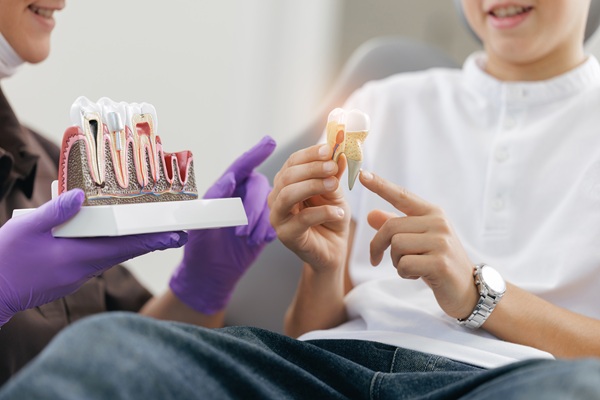
Implant crowns are typically recommended when an implant is being used to replace a lost tooth. This artificial teeth root is surgically inserted into the patient’s jaw. The implant fuses with bone tissues around it through a process known as osseointegration. As a result, bite forces are transferred through the implant crown and implant to the person’s jaw, stimulating tissues and preventing the bone tissue breakdown that can happen when a tooth is lost.
Getting the most out of implant crowns
Implant crowns are ideal long-term options for replacing teeth. These restorations look like natural teeth, and they do not require anything besides brushing and flossing to keep them in great condition. The implant that the crown sits on is typically made out of titanium, and it is designed to last a lifetime. Implants crowns can last up to 30 years when properly cared for. Simple things that can be done to make an implant crown last longer include:
- Good oral hygiene: Crowns are not vulnerable to the acids made by oral bacteria, but the gum tissues that support them are; good oral hygiene helps remove plaque deposits and prevent stains from forming on the crown
- Avoid hard foods: An implant crown is designed to handle tremendous bite forces, but it is not as durable as real teeth, so hard foods like ice or hard candies can lead to a crown becoming damaged; people with crowns should also avoid using their teeth for things that they are not designed for, like opening packages
- Use appropriate mouth protection: People with crowns should take extra steps to protect their teeth from forces that they are not designed to withstand, including wearing a mouthguard when engaged in contact sports or a nightguard to reduce the effects of teeth grinding
What to expect when getting an implant
Dentists often recommend implants for missing teeth replacement due to their bone-preserving properties. Other missing tooth replacement options, like dentures and bridges, do not address bone deterioration. Patients must be assessed to determine if they are healthy enough for implant surgery.
Replacing a missing tooth with an implant can take over six months. The first step is inserting the implant into the patient’s jaw. A local anesthetic is administered, and the dentist might have to make an incision to reach the patient’s jaw.
A hole is drilled into the jaw, and then the implant is placed in it. Bone tissues around the implant hold it in place via friction, the same way that wood holds a nail in place. In some cases, an implant crown might be attached during the same visit, or the dentist might wait for the implant to fuse with the patient’s jaw.
Implant crowns provide a long-term solution for missing teeth
Are you missing one or more teeth? Implant crowns may be the solution you are looking for. Call or stop by our Spokane office to set up a consultation with our dentist.
Request an appointment here: https://moranprairiedentistry.com or call Moran Prairie Dentistry at (509) 267-5758 for an appointment in our Spokane office.
Check out what others are saying about our services on Yelp: Implant Crown in Spokane, WA.
Related Posts
Patients comparing implant crowns and traditional crowns often want a clear, practical explanation. Implant-supported crowns replace a missing tooth by attaching to a dental implant, which functions as an artificial tooth root placed in the jawbone. Traditional crowns cover and reinforce an existing natural tooth after decay, fracture, or a large filling. Both restore shape,…
Family dentist recommendations play an important role in helping patients recover comfortably after a tooth extraction. Although the procedure itself is routine, proper aftercare supports healing, reduces the risk of complications, and helps patients return to normal activities as quickly as possible. As a family dentist, providing clear recovery instructions helps protect the extraction site…
A dental filling is a common restorative treatment that protects a tooth from further decay. While recovering after the procedure is straightforward, one of the first questions patients ask is when they can safely resume eating. It is important to protect your smile and ensure the restoration cures without causing accidental injury. Understanding the timeline…
If you properly care for your partial dentures, hopefully, they will last a long time. However, as with anything, they will break with enough wear-and-tear or accidental trauma. It’s essential to know at what point you should get them repaired. We will go through common issues that may arise with your dentures and the associated…